
Dr. Nikhil Pawar

Category: Blog

Blog

Stay informed with expert health articles on urology conditions, treatments, and preventive care. Learn useful tips for maintaining kidney, bladder, and prostate health.

Blog

Early Warning Signs of Childhood Epilepsy: Parents’ Guide

Introduction As parents, noticing unusual behaviour in your child can be both worrying and confusing. A brief staring spell, a sudden jerk, or moments of unresponsiveness may seem minor at first. However, these could be early warning signs of childhood epilepsy—a neurological condition that affects children across the world. Epilepsy doesn’t always look like the dramatic seizures shown on TV. Often, the signs can be subtle and easily mistaken for clumsiness, a lack of attention, or even sleep disturbances. Recognizing epilepsy in kids early on can make a significant difference in their care and development. This guide will walk you through the key seizure signs in children, what causes them, and how you can seek timely support.. What is Childhood Epilepsy? Childhood epilepsy is a condition where a child experiences recurrent seizures due to abnormal electrical activity in the brain. Not all seizures look the same—some may involve full-body convulsions, while others may be as simple as a few seconds of “zoning out.” Seizures in children can range from mild to severe and may be triggered by various factors, such as fever, stress, or even flashing lights. However, some seizures occur with no obvious trigger. Common Early Warning Signs of Childhood Epilepsy Here’s what to look for when identifying possible seizure activity in children: 1. Absence Seizures (Petit Mal) Your child may suddenly stop what they’re doing and stare blankly into space. They may not respond to their name or any external prompts during these spells. These episodes typically last for a few seconds and can be mistaken for daydreaming. 2. Generalised Tonic-Clonic Seizures These seizures involve sudden stiffening of the body, followed by jerking movements. The child may lose consciousness and could experience tongue biting or incontinence. These seizures are dramatic and require immediate medical attention. 3. Myoclonic Jerks These are quick, involuntary muscle twitches or jerks, often occurring in the arms or legs. They can happen when the child is waking up or during sleep. While they may appear minor, frequent myoclonic jerks can be an early indicator of epilepsy. 4. Focal Seizures Focal seizures begin in one specific part of the brain and may cause unusual movements or sensations. The child may display lip-smacking, hand movements, or repetitive blinking. In some cases, they might seem confused or disoriented after the episode. 5. Unusual Behaviour Patterns Repetitive behaviours such as picking at clothes, rubbing hands, or chewing with no clear reason. Sudden mood changes, followed by a period of fatigue or sleepiness. Understanding Seizure Triggers While some children experience seizures without any identifiable triggers, others may have specific factors that contribute to their occurrence: Fever or illness: A common cause of seizures in young children, particularly febrile seizures. Sleep deprivation: Lack of sleep can increase the likelihood of seizures. Bright or flickering lights: In some children, flashing lights can trigger seizures (photosensitive epilepsy). Stress and anxiety: High levels of emotional stress can act as a trigger. Knowing your child’s potential triggers can help you manage their condition more effectively and avoid known risks. When to Seek Medical Advice It’s important to seek medical attention if your child: Has more than one seizure without a known cause (e.g., fever). Experiences any form of unusual staring or unresponsiveness that happens repeatedly. Shows signs of confusion or drowsiness after an episode. Experiences body stiffness, jerking, or fainting spells. Early diagnosis can significantly improve treatment outcomes and help your child lead a more normal, active life. Coping with an Epilepsy Diagnosis: A Parent’s Perspective Discovering that your child has epilepsy can be overwhelming. However, many effective treatments and lifestyle adjustments can make a big difference. Here’s how you can support your child: 1. Create a Safety Plan Share information about your child’s condition with their teachers and caregivers. Ensure your home is a safe space by padding sharp edges and securing hazardous items. 2. Monitor Medications Consistent use of prescribed medication is key to controlling seizures. Keep a seizure diary to note any patterns, medication side effects, or missed doses. 3. Encourage a Healthy Routine Ensure your child gets enough sleep each night. Minimise screen time and avoid flashing images if your child is photosensitive. Regular physical activity can help improve overall well-being, but discuss safe options with your doctor. FAQs About Childhood Epilepsy Q: Are seizures always linked to epilepsy?A: No. Some seizures may occur due to fever (febrile seizures), head injuries, or infections. An epilepsy diagnosis is made only when there are recurrent seizures without an immediate cause. Q: Can children outgrow epilepsy?A: Yes, some types of childhood epilepsy resolve as children grow older, particularly absence seizures. However, ongoing medical monitoring is essential. Q: Is epilepsy hereditary?A: In some cases, epilepsy has a genetic link. However, not all types of epilepsy are inherited. Conclusion If you notice any of these signs or feel concerned about your child’s behaviour, don’t hesitate to seek expert medical advice. Early diagnosis and intervention can significantly improve your child’s quality of life. For professional guidance and compassionate care, you can contact Dr Nikhil Pawar, a specialist in paediatric epilepsy. To schedule an appointment, call +91 8208164155 or +91 2532578152, or send your queries to vidyavikashospital@gmail.com. Dr. Pawar and his team are here to support you at every step of your child’s journey.  

Blog

Early Signs of Autism: What Every Parent Should Watch For

  Introduction As parents, you want nothing more than to see your child thrive. While every child develops at their own pace, certain behaviours can be early signs of autism that should not be ignored. Trusting your instincts when something doesn’t feel right is important—it can make a world of difference for early intervention and support. Autism Spectrum Disorder (ASD) presents in various ways, and each child’s experience is unique. Understanding the early signs of autism and seeking guidance at the right time can set your child on a path to reach their full potential. This guide will help you recognize autism symptoms in children and empower you to take proactive steps. What is Autism Spectrum Disorder (ASD)? Autism Spectrum Disorder is a developmental condition that impacts communication, social interaction, and behaviour. It is called a “spectrum” because the severity and combination of symptoms can vary widely from one child to another. Some children may have mild symptoms, while others may face more significant challenges. Identifying early signs of autism in children is crucial because early intervention with therapies and support can improve outcomes significantly. Key Early Signs of Autism in Children If your child shows one or more of these signs consistently, it may indicate the need for an evaluation. 1. Speech and Language Delays 2. Lack of Eye Contact and Social Interaction 3. Repetitive Movements or Behaviours 4. Sensory Sensitivities 5. Unusual Emotional Responses Understanding Why Early Detection Matters The earlier a child is diagnosed, the sooner they can receive tailored support that helps them thrive. Speech therapy, occupational therapy, and behavioural interventions can enhance communication and social skills. Many children with ASD show remarkable progress when they receive timely and personalised interventions. Steps to Take If You Suspect Autism If you’ve noticed signs of autism in your child, here’s what you can do: 1. Observe and Document Write down any patterns or behaviours that seem unusual. Keep track of milestones, such as when your child starts talking or walking, and note any delays. 2. Speak to Your Paediatrician Discuss your concerns openly with your child’s doctor. They can perform initial screenings or refer you to a developmental specialist for a comprehensive evaluation. 3. Don’t Delay Intervention Even if you’re waiting for a formal diagnosis, it’s a good idea to start looking into early support services, such as speech therapy or play-based interventions. Early help is key to making progress. How Parents Can Support Their Child with Autism Parenting a child with autism may come with unique challenges, but it’s also an opportunity to nurture their strengths and foster a loving, supportive environment. 1. Build a Structured Routine Children with autism often feel more comfortable when they know what to expect. Create a daily routine with clear and predictable activities. 2. Encourage Play and Social Interaction Even if your child prefers playing alone, find ways to gently encourage interaction, such as turn-taking games or family playtime. 3. Educate Family Members and Caregivers Help family members, teachers, and caregivers understand your child’s specific needs and strengths so they can provide the right kind of support. 4. Focus on Positive Reinforcement Praise your child when they make progress or displays positive behaviours. Reinforcement can help build confidence and encourage development. 5. Join Support Groups You’re not alone. Connecting with other parents of children with autism can provide emotional support, practical advice, and a sense of community. FAQs About Autism Spectrum Disorder Q: Does autism look the same in every child?A: No, autism presents differently in each child. Some may have mild social difficulties, while others may face more pronounced communication or sensory challenges. Q: What causes autism?A: The exact cause of autism is not known, but research suggests that genetic and environmental factors may play a role. Q: Can autism be cured?A: Autism is a lifelong condition, but with early intervention and support, many children with autism can lead fulfilling, independent lives. Conclusion If you notice any of these early signs in your child, trust your instincts and seek professional advice. Recognising autism symptoms early and taking action can empower your child to grow and develop with the right support. To learn more or discuss your concerns, you can contact Dr. Nikhil Pawar for expert guidance. Call +91 8208164155 or +91 2532578152 to schedule an appointment, or send your questions via email to vidyavikashospital@gmail.com. Remember, you’re not alone—early action can make all the difference.

Blog

Understanding Autism Spectrum Disorder: A Family’s Guide

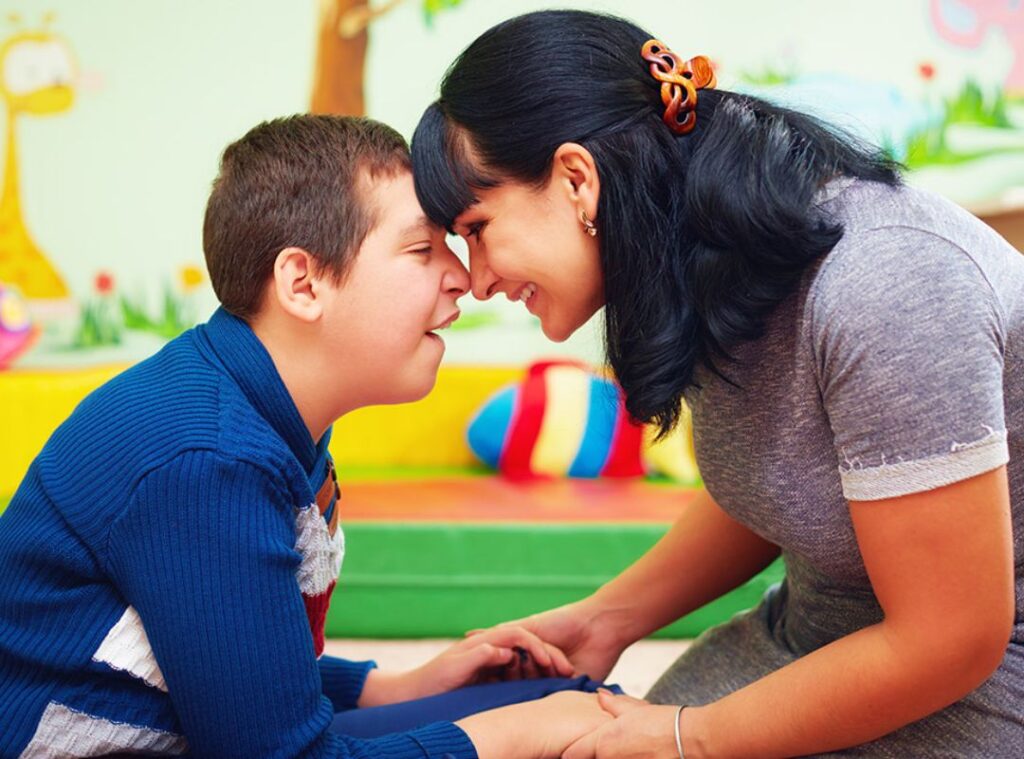
Introduction Receiving an autism spectrum disorder (ASD) diagnosis can feel overwhelming for families. Questions and concerns may flood your mind—how will this affect your child’s future? What kind of support is available? While these feelings are normal, remember that understanding autism and creating a supportive environment can make a world of difference for your child and your family. Autism Spectrum Disorder impacts each child differently, meaning every journey is unique. This guide aims to provide clarity on ASD, explain how it may impact family dynamics, and offer practical ways to support your child’s growth and well-being. What is Autism Spectrum Disorder (ASD)? ASD is a developmental condition that affects social communication, behavior, and sensory processing. The term “spectrum” reflects the fact that the condition varies widely from child to child in terms of challenges and strengths. Some children with ASD may have difficulty speaking or socializing, while others may excel academically but struggle with sensory sensitivities or emotional regulation. Common Traits of Children with ASD Although each child with autism is unique, there are common behaviors associated with ASD. 1. Communication Challenges Delayed speech development or unusual speech patterns. Difficulty understanding sarcasm, jokes, or non-verbal cues. Repeating phrases or scripting lines from TV shows (known as echolalia). 2. Social Interaction Differences Difficulty initiating or maintaining conversations. Limited interest in playing with peers or participating in group activities. Prefers parallel play (playing near others but not directly interacting) rather than cooperative play. 3. Repetitive Behaviours and Interests Repetitive movements such as hand-flapping, rocking, or spinning. Strong attachment to specific routines or rituals. Intense focus on particular topics or objects, such as trains, animals, or numbers. 4. Sensory Sensitivities May be overly sensitive to sounds, lights, textures, or smells. Avoids certain foods due to texture or appearance. Enjoys sensory stimulation, such as touching soft fabrics or watching moving objects like fans. How Autism Impacts Family Dynamics An autism diagnosis often affects not just the child but the entire family. Siblings, parents, and even extended family members may experience a shift in their roles and responsibilities. 1. Emotional Adjustments Parents may go through a range of emotions, from denial and fear to acceptance and advocacy. Siblings may feel confusion or jealousy due to the additional attention the child with autism may receive. 2. Daily Routine Changes Caring for a child with autism may require adapting your family’s schedule to accommodate therapy sessions, school meetings, and sensory-friendly activities. 3. Financial Considerations Accessing the right support, such as therapy or special education resources, may involve financial planning. However, early intervention can lead to long-term benefits that support your child’s independence. Building a Support System Creating a nurturing and supportive environment helps not only the child but the entire family thrive. Here’s how families can build a strong support system: 1. Access Professional Help Early Consult a pediatric neurologist or developmental specialist for a formal evaluation and personalized care plan. Speech therapy, occupational therapy, and behavioral therapy are effective interventions for improving communication, motor skills, and daily routines. 2. Educate Yourself and Others Learn about ASD from credible sources so you can advocate for your child’s needs. Share helpful information with teachers, relatives, and caregivers so they can better understand how to support your child. 3. Join Parent Support Groups Being part of a support group can provide a sense of community and offer practical advice from other families going through similar experiences. 4. Involve Siblings in the Journey Help siblings understand ASD in an age-appropriate way. Encourage activities that strengthen sibling bonds, such as family outings and shared playtime. Encouraging Independence in Children with ASD Promoting independence helps children with autism build life skills and confidence. Here are simple ways to nurture independence: Visual Schedules: Use visual aids to outline daily routines, making transitions smoother and more predictable. Self-Care Tasks: Teach simple tasks like brushing teeth or dressing by breaking them down into manageable steps. Positive Reinforcement: Celebrate small victories, whether it’s learning a new word or completing an activity independently. Allow Choices: Let your child make small choices, such as picking their clothes or choosing between two snacks, to build decision-making skills. FAQs About Autism Spectrum Disorder Q: Is autism a lifelong condition? A: Yes, autism is lifelong, but with the right support, many individuals with ASD lead fulfilling and independent lives. Q: Can autism be detected in infancy? A: Some signs of autism can appear as early as 12 to 18 months, such as lack of eye contact or delayed babbling. However, formal diagnoses are often made around age 2 or later. Q: Is there a cure for autism? A: There is no cure for autism, but interventions like speech and behavioral therapy can significantly improve communication, social, and daily living skills. Q: Does autism affect intelligence? A: Intelligence levels vary among individuals with autism. Some children may excel in certain subjects, while others may require additional support in academics. Conclusion Understanding autism spectrum disorder empowers families to provide meaningful support and create a nurturing environment where children can grow and thrive. If you suspect that your child may be showing signs of ASD or if you’ve recently received a diagnosis and need expert guidance, reaching out to a specialist can help you navigate the next steps with confidence. For professional advice and tailored support, contact Dr. Nikhil Pawar. You can schedule a consultation by calling +91 8208164155 or +91 2532578152, or send your questions to vidyavikashospital@gmail.com. Remember, with the right guidance and early action, your family can turn challenges into growth and progress.

Scroll to Top