Dr. Nikhil Pawar

Author: Dr. Rakshit Ahuja

Author name: Dr. Rakshit Ahuja

Epilepsy

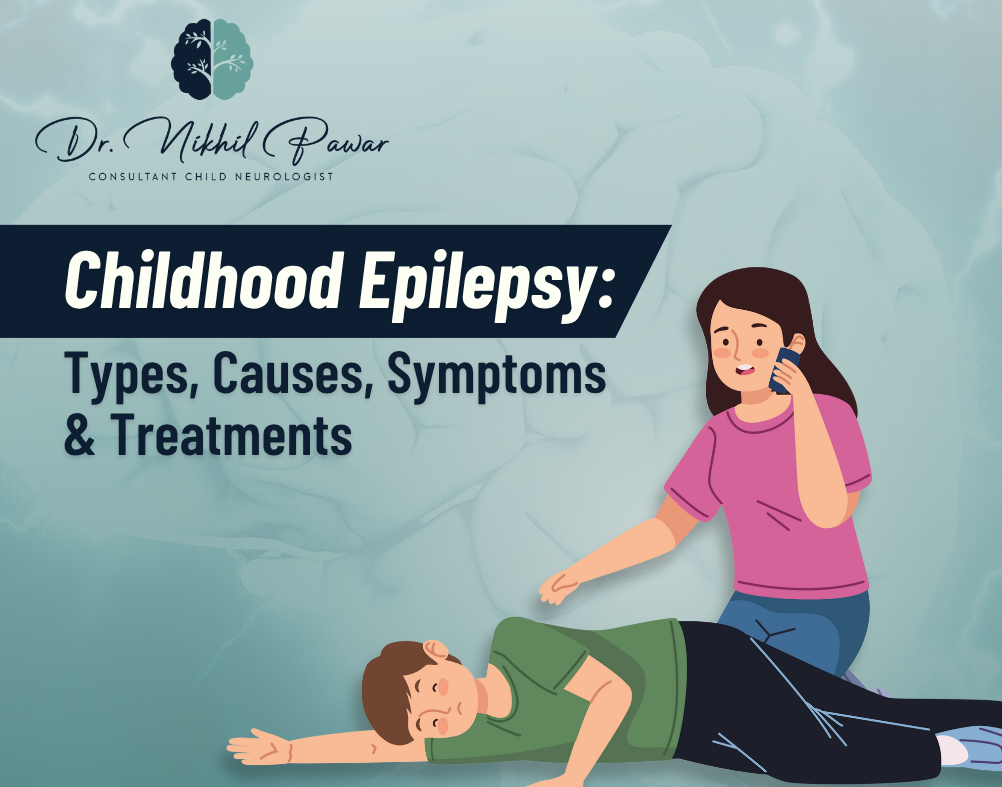
Childhood Epilepsy: Types, Causes, Symptoms & Treatments

Epilepsy is one of the most common neurological disorders in children, yet it remains poorly understood by many. When your child receives a diagnosis of epilepsy or a seizure disorder, it is essential to learn about epilepsy and its various types. The different forms of pediatric epilepsy vary in severity, causes, and symptoms of seizures, necessitating early diagnosis and management. Experiencing a seizure is frightening for any child, as well as for family members and caregivers who hope to see the child improve. However, with the right information and necessary medical support, a child does not have to endure a completely miserable existence. Understanding the nature of the illness in children, along with the types of epilepsy and seizure disorders, is crucial. This guide aims to assist parents in comprehending what their child is experiencing and how to pursue the best treatment options. This article provides an overview of various aspects of epilepsy in children, including types of seizures and management strategies for epilepsy. What is Epilepsy? An Overview Epilepsy is a long-term neurological condition characterized by periodic, unprovoked seizures, which are brief electrical disturbances in the brain. These seizures can range from minor involuntary twitches lasting only a few seconds to severe episodes where the person convulses dramatically for several minutes. Furthermore, epilepsy does not refer to a single disease but encompasses various types of seizures that can occur. Childhood epilepsy presents differently compared to adults. Among the population, children are more affected by epilepsy because the firing patterns of their brains are influenced by their age and overall health. If a child is diagnosed with seizures, failing to treat them may adversely impact the child’s learning abilities and social interactions. Pediatric epilepsy is typically diagnosed when a child experiences two seizures of different origins occurring a day apart or if they happen over more than one day. Diagnosis involves a medical history interview, neurological tests, and potentially EEGs and MRIs to identify any abnormal electrical activity or structural changes in the brain. Common Types of Epilepsy in Children 1. Generalized Epilepsy This type of epilepsy is termed bilateral because it affects both sides of the brain from the onset of the seizure. Generalized epilepsy is further categorized into several subtypes, such as: Absence Seizures: These are brief episodes where the child may appear to daydream. They typically last only a few seconds and can easily be mistaken for daydreaming. Tonic-Clonic Seizures: Also known as ‘grand mal,’ these seizures involve a phase of stiffness (the tonic phase) followed by shaking (the clonic phase) and may lead to loss of consciousness. Myoclonic Seizures: These are short and involve a tonic contraction of muscles within a limited range, often mistaken for normal movements or clumsiness. 2. Focal Epilepsy Focal epilepsy, also referred to as partial epilepsy, occurs when seizures originate from a specific area of the brain. Symptoms will vary depending on the affected region. Focal seizures can be: Simple Focal Seizures: In these cases, the child remains aware and may experience sensations such as numbness, tingling, or see flashes of light. Complex Focal Seizures: These may involve changes in mental status, repetitive movements or complex motor patterns, and other unusual movements such as lip-smacking. 3. Childhood Epileptic Syndromes These are specific syndromes that typically arise in children: Benign Rolandic Epilepsy: The most common form seen in children, characterized by seizures occurring at night or early in the morning. Lennox-Gastaut Syndrome: A severe type characterized by the presence of multiple seizure types, which may require significant therapeutic intervention. Dravet Syndrome: A form of epilepsy marked by seizures and developmental delays, associated with genetic mutations that occur at birth or shortly thereafter. Different Types of Seizures in Children Seizures characterize epilepsy, but they are not always the same. There are various types of seizures, as detailed below. By developing awareness of the symptoms, parents should take their children to a doctor for checkups. Here’s a closer look at the major categories of seizures that children with epilepsy may experience: 1. Generalized Seizures These seizures affect the entire brain. Key types include: Tonic Seizures: These involve stiffening of the muscles, which may cause a child to drop or remain rigid. Clonic Seizures: These consist of rapid twitching movements that involve the limbs, extremities, or face, including both lower and upper limbs. Atonic Seizures: Also known as “drop attacks,” these result in slumping or falling, and occasionally head nodding. 2. Focal Seizures Focal seizures differ from generalized seizures as they start from a specific area of the brain rather than affecting the whole brain. These may generalize if the abnormal activity spreads or change into other types of seizures. Common focal seizures include: Aware Seizures: The child remains conscious and can perceive their surroundings, experiencing sensations such as hearing sounds or seeing lights. Impaired Awareness Seizures: The child becomes disoriented and may be seen fidgeting or appearing generally confused. 3. Febrile Seizures While not classified as epilepsy, febrile seizures are common in young children and are triggered by a high fever. Most are self-limiting, and having one does not automatically mean a child will develop chronic epilepsy. Understanding the type of seizures your child experiences will aid in determining the appropriate treatment and managing the overall situation. Causes of Childhood Epilepsy Epilepsy in children can be attributed to numerous factors, some of which can be somewhat difficult to comprehend. While the exact cause may not always be identified, the following are common triggers: Often, the root of the problem remains undiagnosed even after tests are conducted. In the absence of a physiological or genetic cause, this condition is classified as idiopathic epilepsy. In either case, early recognition of these factors, along with prompt treatment, can have a particularly positive impact on a child’s epileptic condition. Diagnosing Epilepsy in Children Diagnosing epilepsy in children can be quite challenging, as not all kids experience seizures or have noticeable episodes that are easily identifiable. The specific nature of epilepsy must be established so that a proper management plan can be developed and

Pediatric Occupational Therapy

The Role of a Paediatric Neurologist in 2024: What Parents Need to Know

Introduction In 2024, the field of paediatric neurology continues to play a critical role in the healthcare of children. Paediatric neurologists, also known as child neurologists, are specialists who diagnose and treat neurological disorders in children, ranging from common conditions like epilepsy to rare genetic disorders. Understanding the role of a paediatric neurologist is essential for parents who are navigating the complexities of their child’s healthcare. This blog will explore what a paediatric neurologist is, what they do, and when a child might need to see one. What Is a Paediatric Neurologist? Paediatric neurology is a specialized field of medicine focused on the diagnosis and treatment of neurological disorders in children. But what exactly does a paediatric neurologist do? These medical professionals are trained to address issues that affect the brain, spinal cord, muscles, and nerves of children. This includes everything from epilepsy and cerebral palsy to migraines and autism spectrum disorders. Importance in Child Healthcare The brain and nervous system of a child are still developing, making them particularly vulnerable to neurological disorders. Paediatric neurologists play a vital role in early diagnosis and treatment, which can significantly improve a child’s quality of life and long-term prognosis. The Role of a Paediatric Neurologist Scope of Practice Paediatric neurologists are responsible for diagnosing and treating a wide range of neurological conditions in children. This may include epilepsy, muscular dystrophy, developmental and learning disabilities, and more. When a child presents symptoms that suggest a neurological disorder, a paediatrician may refer the child to a paediatric neurologist for further evaluation. Parents can also seek consultation directly if they notice concerning symptoms in their child. Specialized Training and Experience The role of a paediatric neurologist goes beyond just diagnosing conditions; it also involves comprehensive treatment and ongoing care. Specialized training in paediatric neurology equips these professionals with the skills needed to handle complex and sensitive cases. They are trained to work with children and families, providing care that is both medically effective and emotionally supportive. Training and Education Becoming a paediatric neurologist requires extensive education and training. After completing medical school, aspiring paediatric neurologists must undergo a paediatric residency, followed by a fellowship in neurology with a focus on paediatrics. Certification from the American Board of Paediatrics and the American Board of Psychiatry and Neurology is also required to practice in this field. Common Conditions Treated by Paediatric Neurologists Neurological Conditions Paediatric neurologists treat a variety of neurological disorders, including but not limited to: Specialized Areas Paediatric neurologists also focus on specific areas such as genetic diseases, congenital disorders like spina bifida, and progressive neuromuscular conditions. They are skilled in managing behavioural disorders like ADHD and provide comprehensive care that addresses both the neurological and psychological needs of the child. Diagnostic and Treatment Approaches Common Diagnostic Tests Paediatric neurologists use a variety of diagnostic tests to accurately diagnose neurological conditions. These tests include: Treatment Strategies Treatment for neurological disorders can be complex and may involve both medical and surgical interventions. Paediatric neurologists utilize advanced technology and specialized equipment to provide the best possible care. This may include medications, physical therapy, and in some cases, surgical procedures to correct or manage the condition. Practice Settings and Collaboration Work Environments Paediatric neurologists work in various settings, including children’s hospitals, outpatient clinics, and specialized care centres. The approach to treatment may differ depending on whether the condition is acute or chronic, requiring ongoing management. Collaboration with Healthcare Professionals Paediatric neurologists often work closely with other healthcare professionals, including paediatricians, surgeons, and therapists, to provide comprehensive care. This multidisciplinary approach ensures that all aspects of a child’s health are addressed. Research and Advancements Current Research Areas In 2024, research in paediatric neurology is focusing on areas such as neurogenetics and complex conditions like Tourette’s syndrome and autism. These advancements are paving the way for new treatments and better outcomes for children with neurological disorders. Opportunities for Research Paediatric neurologists who are interested in research can pursue advanced degrees and positions that allow them to contribute to the field’s growing body of knowledge. This research is crucial for developing new treatment methods and improving the quality of care for children with neurological disorders. Patient and Family Interaction What to Expect The initial consultation with a paediatric neurologist involves a thorough evaluation of the child’s medical history, symptoms, and any previous test results. Ongoing care may include regular follow-ups and adjustments to the treatment plan as needed. Emotional and Psychological Support Paediatric neurologists understand the emotional toll that a neurological diagnosis can take on both the child and their family. Providing support, addressing fears, and offering strategies to cope with the condition are integral parts of the care provided by paediatric neurologists. Conclusion Paediatric neurologists play an indispensable role in the healthcare of children, diagnosing and treating complex neurological conditions that can significantly impact a child’s life. Their specialized training, dedication to research, and compassionate approach make them invaluable to the families they serve. If you have concerns about your child’s neurological health, consulting with a paediatric neurologist can provide the answers and care your child needs. FAQs What conditions does a paediatric neurologist treat? A paediatric neurologist treats a wide range of neurological disorders, including epilepsy, cerebral palsy, muscular dystrophy, autism spectrum disorders, and more. When should a child see a paediatric neurologist? A child should see a paediatric neurologist if they exhibit symptoms such as seizures, developmental delays, frequent headaches, or muscle weakness. How do I know if my child needs a neurologist? If your child has been referred by a paediatrician or if you notice symptoms related to neurological disorders, it may be time to consult a paediatric neurologist.

Uncategorized

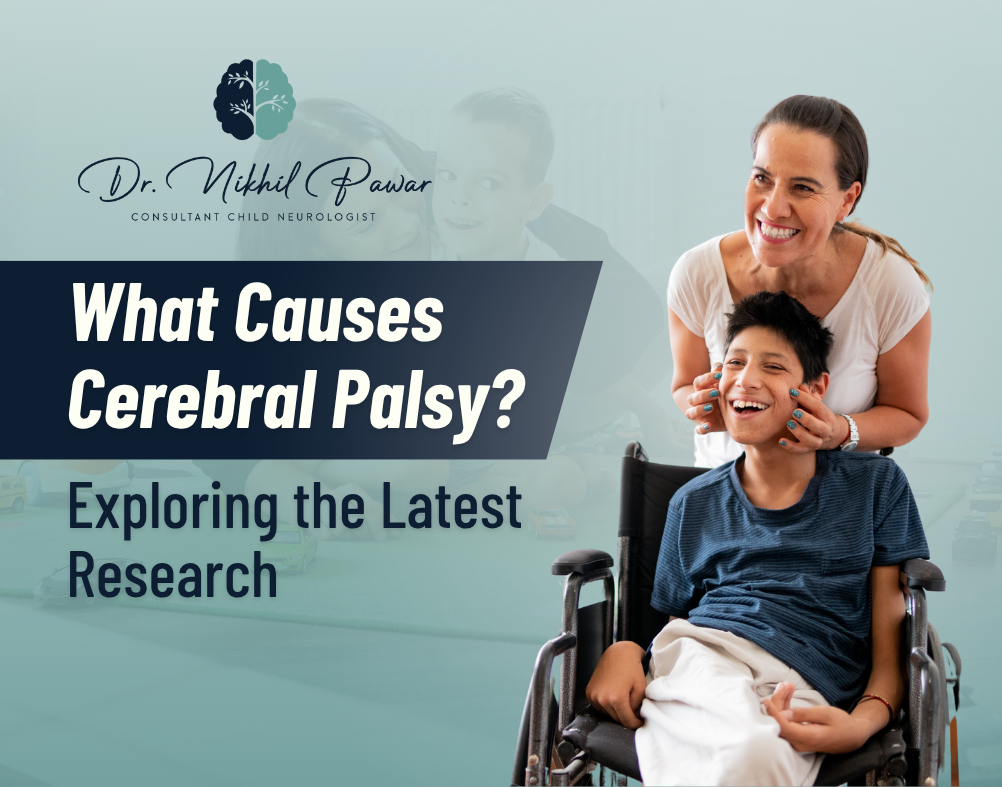
What Causes Cerebral Palsy? Exploring the Latest Research

Introduction Cerebral Palsy (CP) is a condition that significantly impacts muscle control and movement. It’s more than just a medical term; it represents a lifetime of challenges and adaptations for millions of individuals and their families. Understanding what causes cerebral palsy is crucial, not only for prevention but also for early intervention and management. This blog will explore the latest research into the causes of cerebral palsy, both before and after birth, and offer insights into how we can manage and support those affected by this condition. Definition of Cerebral Palsy (CP) Cerebral Palsy is a disability that affects muscle tone, posture, and movement. It is caused by abnormal brain development or damage to the developing brain, which can happen before, during, or shortly after birth. This condition is non-progressive, meaning the brain injury doesn’t worsen over time, although the symptoms can change as a person grows. Understanding the causes of cerebral palsy helps in providing better care and improving the quality of life for those living with it. Causes Before Birth (Congenital Cerebral Palsy) Damage to Brain White Matter One of the primary causes of congenital cerebral palsy is damage to the brain’s white matter, known as Periventricular Leukomalacia (PVL). The white matter is responsible for transmitting signals in the brain, and any damage here can severely impact muscle control and coordination. PVL often occurs due to a lack of blood flow or oxygen to the brain during crucial stages of development. This condition underscores the importance of monitoring fetal development to prevent cerebral palsy. Infections During Pregnancy Infections during pregnancy, such as Cytomegalovirus, rubella, chickenpox, and toxoplasmosis, can also lead to cerebral palsy. These infections can cause inflammation in the brain, leading to abnormal brain development and increasing the risk of the child developing CP. Expectant mothers are advised to take preventive measures, such as vaccinations and regular prenatal check-ups, to reduce these risks. Abnormal Brain Development Cerebral palsy can also result from abnormal brain development due to genetic mutations, trauma, or maternal fever during pregnancy. When the brain doesn’t develop normally, it can affect the transmission of signals that control muscle movements, leading to CP. Understanding these factors can help in developing preventive strategies and early interventions. Lack of Oxygen in the Brain A lack of oxygen in the brain, also known as hypoxic-ischemic encephalopathy, is another significant cause of cerebral palsy. This can occur due to low maternal blood pressure, placental issues, or problems with the umbilical cord during pregnancy. The brain’s need for oxygen is crucial, and any interruption can result in irreversible damage, leading to CP. Early detection and management of these conditions are vital in preventing cerebral palsy. Causes During or Shortly After Birth (Acquired Cerebral Palsy) Asphyxiation Asphyxiation, or a temporary lack of oxygen during birth, is a leading cause of acquired cerebral palsy. This can happen due to complications during delivery, such as prolonged labour or a breech birth. Asphyxiation can cause severe brain damage, leading to CP. Immediate medical intervention is essential to minimize the impact. Brain Infections Infections like meningitis and encephalitis that occur after birth can also cause cerebral palsy. These infections lead to inflammation of the brain, which can damage the delicate tissues responsible for muscle control. Early diagnosis and treatment of these infections are crucial to preventing long-term damage. Serious Head Injury Traumatic brain injuries, often resulting from accidents or abuse, can lead to cerebral palsy. A significant blow to a baby’s head can damage the developing brain, leading to permanent disability. Preventing such injuries through safety measures and education is key to reducing the incidence of cerebral palsy. Stroke A stroke in a newborn, caused by a blocked or ruptured blood vessel in the brain, can lead to cerebral palsy. The lack of blood flow to certain parts of the brain can result in permanent damage, affecting muscle control and coordination. Strokes in newborns require immediate medical attention to minimize the risk of developing CP. Hypoglycaemia Severely low blood sugar levels, or hypoglycaemia, in newborns can also cause brain damage leading to cerebral palsy. This condition can occur in premature babies or those with a low birth weight. Regular monitoring of blood sugar levels in at-risk newborns can help prevent this outcome. Risk Factors Several risk factors can increase the likelihood of a child developing cerebral palsy: Diagnosis and Tests Diagnosing cerebral palsy involves a combination of physical and neurological exams, along with imaging scans like MRI or CT scans. These tests help in assessing brain abnormalities and the extent of damage. Early diagnosis is essential for timely intervention and management. Management and Treatment While cerebral palsy cannot be cured, various treatments and therapies can help manage symptoms and improve quality of life. These include medications for seizures and spasticity, surgeries to reduce muscle spasms or correct joint deformities, and therapies such as physical, occupational, and speech therapy. Mental health support and social services are also crucial in providing comprehensive care. Prevention Preventive measures can significantly reduce the risk of cerebral palsy. These include administering magnesium sulphate to pregnant women at risk of premature birth, cooling therapy for newborns who have experienced asphyxiation, and corticosteroids during premature labour. Prenatal care and following medical advice are vital in preventing cerebral palsy. Prognosis and Outlook The prognosis for individuals with cerebral palsy varies depending on the severity of the condition. Advances in medical care and technology have improved life expectancy and quality of life for many with CP. Early intervention and ongoing support are essential in helping those with cerebral palsy lead fulfilling lives. Conclusion Understanding what causes cerebral palsy is key to prevention, early intervention, and effective management. Whether congenital or acquired, the causes of cerebral palsy are varied and complex, but with ongoing research and advancements in medical care, there is hope for improved outcomes. Early diagnosis, preventive measures, and comprehensive care can make a significant difference in the lives of those affected by cerebral palsy. FAQs What are the main causes of cerebral

Pediatric Occupational Therapy

Paediatric Neurological Conditions Explained: A Comprehensive Overview of Types and Treatments in 2024

Introduction Paediatric neurological health is a critical area of medicine that focuses on the brain and nervous system of children. With the rapid growth and development that occurs in childhood, early diagnosis and treatment of neurological conditions are essential. This blog provides a comprehensive overview of common paediatric neurological conditions, their symptoms, diagnostic methods, and the latest treatment options available in 2024. Overview of Paediatric Neurological Health The nervous system in children is constantly evolving, making them more susceptible to certain neurological conditions. Understanding these conditions and their implications is vital for parents, caregivers, and healthcare providers to ensure children receive the care they need. Paediatric Neurological Diseases: Definition and Examples What Are Neurological Diseases in Children? Paediatric neurological diseases are disorders that affect the nervous system of infants, children, and adolescents. These diseases can impact various aspects of a child’s life, including physical, cognitive, and emotional development. Common examples include epilepsy, cerebral palsy, and muscular dystrophy. Types of Paediatric Neurological Diseases Symptoms and Effects of Paediatric Neurological Diseases The symptoms of paediatric neurological diseases can vary widely depending on the specific condition. For example, epilepsy may present as recurrent seizures, while cerebral palsy might cause difficulty with movement and coordination. How do paediatric neurological disorders affect the body? Paediatric neurological disorders can significantly impact a child’s development, affecting motor skills, cognitive functions, speech, and social interactions. Early intervention is crucial to minimize long-term effects and improve quality of life. Latest Treatments and Research in 2024 In 2024, advancements in paediatric neurology have led to new treatment options, including targeted therapies for epilepsy and innovative approaches to managing cerebral palsy. For instance, gene therapy and neuroprotective agents are being explored as potential treatments for conditions like muscular dystrophy. Paediatric Neurological Problems: What You Need to Know What Are Paediatric Neurological Problems? Paediatric neurological problems encompass a range of issues that may not be classified as diseases but still significantly affect a child’s nervous system. Examples include developmental delays, headaches, and sleep disorders. Common Paediatric Neurological Problems Symptoms and Diagnosis The symptoms of paediatric neurological problems can be subtle and are often mistaken for normal developmental variations. However, persistent issues like frequent headaches, delays in reaching developmental milestones, or abnormal sleep patterns warrant further investigation. What are the symptoms of paediatric neurological problems? Symptoms can include persistent headaches, unexplained developmental delays, abnormal muscle tone, or frequent seizures. Early detection and diagnosis are key to managing these problems effectively. Approaches to Managing Paediatric Neurological Problems Management of paediatric neurological problems often involves a multidisciplinary approach, including paediatric neurologists, therapists, and educators. Treatment may involve medication, behavioural therapy, and sometimes surgical intervention, depending on the condition. Paediatric Neurological Conditions: An In-Depth Look What Are Paediatric Neurological Conditions? Paediatric neurological conditions refer to a broad spectrum of disorders that affect the nervous system in children. These conditions can range from acute issues like traumatic brain injuries to chronic conditions like epilepsy and autism spectrum disorders. Types of Paediatric Neurological Conditions How Paediatric Neurological Conditions Affect the Body Paediatric neurological conditions can lead to a wide range of physical, cognitive, and emotional challenges. For instance, ASD can impact a child’s social interactions and communication skills, while spina bifida may cause physical disabilities that require lifelong care. Diagnostic Methods and Treatment Options Diagnosis of paediatric neurological conditions often involves comprehensive neurological exams, developmental assessments, and imaging studies such as MRI or CT scans. Treatment plans are tailored to each child’s needs and may include medications, physical therapy, speech therapy, and in some cases, surgical interventions. How are paediatric neurological conditions diagnosed? Diagnosis typically involves a combination of developmental screenings, neurological exams, and imaging studies. Early and accurate diagnosis is essential for effective treatment and management. Paediatric Neurological Disorders: Understanding the Basics What Is a Paediatric Neurological Disorder? Paediatric neurological disorders are specific conditions that result in abnormal function or structure of the nervous system in children. Examples include epilepsy, Tourette syndrome, and attention-deficit/hyperactivity disorder (ADHD). Differences Between Disorders, Diseases, and Conditions Examples of Paediatric Neurological Disorders Tourette Syndrome: A neurological disorder characterized by repetitive, involuntary movements and vocalizations called tics. Attention-Deficit/Hyperactivity Disorder (ADHD): A common neurodevelopmental disorder that affects a child’s ability to focus and control impulses. Current Advances in Treatment and Management In 2024, advances in paediatric neurology have led to the development of new treatments for conditions like epilepsy and ADHD. For example, non-invasive brain stimulation techniques and personalized medicine approaches are being explored to improve outcomes for children with these disorders. Comparing Paediatric Neurological Terms Understanding the differences between paediatric neurological diseases, problems, conditions, and disorders is crucial for accurate diagnosis and treatment. Each term has specific implications for the nature of the issue and the approach to treatment. How to Approach Diagnosis and Treatment A thorough approach involving paediatric neurologists, developmental paediatricians, and other specialists is key to ensuring children receive the best possible care. Early intervention and a tailored treatment plan are essential to address the unique needs of each child. Conclusion Paediatric neurological health is a complex and vital field that requires a deep understanding of the various conditions that can affect children. Early diagnosis and treatment are critical to improving outcomes and quality of life. As we move forward in 2024, continued advancements in research and treatment options offer new hope for children affected by neurological conditions. Additional Resources FAQs What are some common paediatric neurological diseases? Common paediatric neurological diseases include epilepsy, cerebral palsy, and muscular dystrophy. How do paediatric neurological problems differ from conditions? Paediatric neurological problems are general issues with the nervous system, while conditions are specific, diagnosed medical issues. What is the difference between a paediatric neurological disorder and a disease? A disorder often refers to a dysfunction in the nervous system, while a disease usually has a known cause and progression. When should a child be evaluated for neurological issues? If a child experiences persistent symptoms like developmental delays, seizures, or abnormal muscle tone, it’s important to consult a paediatric neurologist. What are

Autism Treatment Center, Uncategorized

Sleep Problems in Children with Autism and Ways to Improve It

Sleep cycle and sleep quality are crucial health aspects that are often overlooked, especially in children. Sleep problems in children with autism, such as sleeplessness and insomnia, can significantly impact their daily lives and exacerbate the challenges associated with autism. Addressing these sleep disorders is vital, as they may affect a child’s future and potentially worsen autism-related issues. In Nashik, some excellent pediatric doctors specialize in autism treatment and can help children manage their sleep problems. The first step in improving sleep for children with autism is to identify these sleep issues early. Common pediatric sleep disorders include difficulty falling asleep, frequent night awakenings, and irregular sleep patterns. Understanding Sleep Problems in Children with Autism Sleep problems are prevalent among children with autism. Studies have shown that up to 80% of children with autism spectrum disorder (ASD) experience some form of sleep disturbance. These issues can manifest in various ways, including difficulty falling asleep, staying asleep, or waking up too early. The reasons for these sleep problems are multifaceted and can include: Sensory Sensitivities: Children with autism often have heightened sensitivity to environmental stimuli. This can make it challenging for them to fall asleep or stay asleep if they are disturbed by noises, lights, or other sensory inputs. Anxiety and Stress: Many children with autism experience high levels of anxiety and stress, which can interfere with their ability to relax and fall asleep. Bedtime can become a particularly stressful time if the child associates it with separation from their parents or other anxieties. Irregular Melatonin Production: Melatonin is a hormone that regulates the sleep-wake cycle. Research has found that children with autism may have irregular melatonin production, which can disrupt their sleep patterns. Medical Conditions: Some medical conditions commonly associated with autism, such as gastrointestinal issues or epilepsy, can also contribute to sleep disturbances. Establish a Consistent Bedtime Routine: Create a calming and consistent bedtime routine to signal to the child that it’s time to sleep. Activities such as reading a book, taking a warm bath, or listening to soothing music can help. Create an Ideal Sleep Environment: To promote better sleep, make sure the child’s bedroom is quiet, dark, and cool. Removing electronic devices and ensuring a comfortable bed can also help. Use Behavioral Interventions: Implement behavioral strategies like positive reinforcement for good sleep habits and making gradual adjustments to bedtime to manage sleep problems effectively. Seek Medical Consultation: Consult with a pediatric doctor specializing in autism treatment for personalized strategies and, if necessary, medical interventions to address sleep disorders. In Nashik, skilled pediatricians are available to support children with autism and their families. Focus on Diet and Exercise: Ensure the child has a healthy diet and regular physical activity, which can also help improve sleep quality. It’s important to limit caffeine and sugar intake, especially in the evening. Effective Strategies to Improve Sleep Improving sleep in children with autism requires a combination of behavioural interventions, environmental adjustments, and, in some cases, medical treatments. Here are some effective strategies: Establish a Consistent Bedtime Routine A consistent bedtime routine can help signal to the child that it is time to sleep. This routine should be calming and predictable. Activities such as reading a book, taking a warm bath, or listening to soothing music can help the child relax and prepare for sleep. Create a Sleep-Conducive Environment The child’s sleep environment plays a crucial role in promoting good sleep. The bedroom should be quiet, dark, and cool. Blackout curtains can help block out external light, and white noise machines can mask disturbing sounds. Removing electronic devices from the bedroom is also essential, as the blue light from screens can interfere with the sleep-wake cycle. Behavioral Interventions Behavioral strategies can be highly effective in managing sleep problems. Some approaches include Medical Consultation In some cases, medical interventions may be necessary. Consulting with a pediatrician who specializes in autism treatment can provide personalized strategies and, if needed, prescribe medications to address sleep disorders. For instance, melatonin supplements are sometimes used to help regulate the sleep-wake cycle. Sleep problems in children with autism are common but can be managed with the right strategies and support. Addressing pediatric sleep disorders is essential for improving the quality of life for these children and helping them thrive. In Nashik, specialized pediatric doctors are available to provide the necessary care and treatment for children with autism, ensuring they get the rest they need for their overall well-being. Addressing sleep issues in children, especially those with autism, requires specialized care and understanding. Pediatric sleep disorders can significantly impact a child’s health and development.  Vidya Vikas Pediatric Neuroscience Center in Nashik specializes in pediatric care with a comprehensive focus on conditions like Autism Spectrum Disorder (ASD). Established in 2001, it was the first hospital in North Maharashtra dedicated solely to pediatric patients, aiming to provide premium medical care through state-of-the-art equipment and a compassionate approach​.  FAQ 1: Why is sleep quality crucial for children with autism? Quality sleep is crucial for children with autism, as poor sleep can significantly impact their overall health and daily functioning. It can exacerbate challenges related to social interactions, communication, and behaviour. Adequate sleep helps regulate mood, enhance learning, and improve behaviour, reducing the severity of autism-related symptoms. Early intervention for sleep disorders can prevent long-term negative effects on a child’s cognitive development, emotional regulation, and overall well-being. 2: How can sleep disorders in children with autism be addressed effectively? A: Addressing sleep disorders in children with autism involves a comprehensive approach that includes behavioural interventions, environmental adjustments, and sometimes medical treatment. Establishing a consistent bedtime routine and sleep schedule can help in regulating the child’s sleep cycle. 3: Which is the best hospital to consult for autistic children with sleep disorders? Vidya Vikas Pediatric Neuroscience Center in Nashik specializes in pediatric care, focusing on conditions like Autism Spectrum Disorder (ASD). Established in 2001, it was the first hospital in North Maharashtra dedicated solely to pediatric patients, aiming to provide premium medical care through

Uncategorized

Understanding Tele-Child-Neurology: A Guide for Parents

Telemedicine is a groundbreaking advancement in healthcare that is shaping how medical services are delivered. In the field of pediatric neurology, tele-child neurology is rapidly expanding as a platform for remote consultations with specialized child neurologists.  This article will provide a comprehensive understanding of tele-child neurology, highlighting its benefits and offering guidance on navigating this dynamic and promising healthcare alternative. Neurological emergencies often arise, and it’s inconvenient to travel to the hospital for every concern that parents may have. What is Tele-Child Neurology?    Tele-child neurology is a specialized field that leverages secure video conferencing technology to remotely connect children with tele neuro consultants. This innovative approach eliminates the need for in-person visits, offering a more convenient and accessible way for children to receive specialized neurological care. Through tele-child neurology, young patients can benefit from expert consultations, accurate diagnoses, and tailored treatment plans without the constraints of physical distance. This mode of care delivery has the potential to improve health outcomes and enhance the overall patient experience for children with neurological conditions. How it Works: Tele-neurology consultations typically involve video conferencing platforms and may sometimes include additional tools like file sharing for medical records. The process is often similar to a traditional appointment, with the doctor discussing the child’s medical history and symptoms and conducting a virtual neurological exam through observation and interaction. Comparison with Traditional Consultations While traditional in-person visits remain important for specific procedures or examinations, tele-neurology offers a valuable alternative for many consultations. It reduces travel time and waiting room anxiety and can be more convenient for scheduling follow-up appointments. Benefits of Tele-Child-Neurology Accessibility: Tele-neurology eliminates geographical barriers, allowing families in remote areas to access specialized care. Convenience: It reduces travel time, eliminates waiting rooms, and offers greater flexibility for scheduling appointments. Continuity of Care: Tele-neurology allows for consistent monitoring and follow-up consultations, which are crucial for managing chronic neurological conditions. Comfort: Children often feel more relaxed and cooperative in the familiar environment of their own home. Services Provided: Tele-child neurology can address a variety of neurological conditions, including epilepsy, migraines, and developmental disorders. Consultations can range from initial assessments to follow-ups and even emergency consultations. Some services offered remotely may include: Video EEG: This specialized recording of brain activity can be facilitated remotely with specific equipment. Remote monitoring: Certain neurological conditions can benefit from remote monitoring of symptoms and vitals. Treatment and Management Plans: Neurologists can develop and discuss treatment plans through tele-consultations. Tips to  Prepare Families for a Telehealth Visit Technical Requirements: Ensure you have a reliable internet connection, a video conferencing-enabled device (computer, tablet), and necessary software/apps. Medical Records and History: Make your child’s medical records and a detailed history of symptoms available. Consultation Environment: Choose a quiet, well-lit space with minimal distractions to ensure a smooth consultation. Questions for the Doctor: Prepare a list of questions and concerns you want to address with the neurologist. Choosing the Right Tele-Neurology Service Selecting a reputable tele-neurology service is crucial. Consider the following: Credentials: Verify the pediatric neurologist’s qualifications and experience. Security and Privacy: Ensure the platform adheres to strict data security and patient privacy standards. Reviews and Testimonials: Read reviews and testimonials from other parents to get insights. Common Concerns and Misconceptions: Effectiveness of Telemedicine: Studies show telemedicine can be just as effective as traditional consultations for neurological conditions. Technical Difficulties: Most platforms offer technical support, and basic troubleshooting can often overcome minor issues. Diagnosis and Treatment Accuracy: While some examinations may require in-person visits, a skilled tele neuro consultant can effectively diagnose and manage many conditions remotely. It’s important to understand the limitations of tele-neurology and discuss any concerns with your doctor. Future of Tele-Child-Neurology Advancements in telemedicine technology hold immense promise for the future. We expect improved patient outcomes, expanded services and accessibility, and a seamless integration between tele-neurology and traditional healthcare systems. Conclusion Tele-child neurology is an innovative approach to pediatric neurological care that utilizes telecommunications technology to provide specialized care for children. This approach increases access to neurological care, offers convenience for parents, and promotes continuity of care for young patients. If you are considering tele-child neurology for your child, it’s important to explore the various benefits and resources outlined in this guide. Embracing the future of healthcare through tele-child neurology ensures that your child receives the best possible neurological care, all from the comfort and convenience of your own home. This service is more convenient for suffering children and their parents as an online doctor for pediatric neurology can help to quickly diagnose the symptoms and suggest help even in emergency situations and avoid danger. 

Epilepsy

Epilepsy: Impact on the Life of the Child

Understanding Epilepsy in Children: Recognizing the Signs Epilepsy, a neurological disorder characterized by recurrent seizures, can manifest differently in children than in adults. Recognizing the early signs of epilepsy in children is crucial for timely diagnosis and treatment. What are the first signs of epilepsy in a child? Epilepsy in children may present with various signs and symptoms, including: Seizures: The hallmark symptom of epilepsy, seizures in children can manifest as convulsions, staring spells, repetitive movements, or sudden changes in consciousness. Developmental Delays: Some children with epilepsy may experience delays in reaching developmental milestones, such as speech and motor skills. Behavioral Changes: Epilepsy can affect a child’s behavior, leading to mood swings, irritability, or difficulty concentrating. Sleep Disturbances: Children with epilepsy may experience sleep disturbances, including nighttime seizures or excessive daytime sleepiness. What are the risk factors for epilepsy in children? Several factors may increase a child’s risk of developing epilepsy, including: Family History: Children with a family history of epilepsy or other neurological disorders may be at higher risk. Brain Injury: Head trauma, infections, strokes, or brain tumors can increase the risk of epilepsy in children. Developmental Disorders: Children with developmental disorders, such as autism or cerebral palsy, may have an increased risk of epilepsy. Genetic Factors: Certain genetic syndromes are associated with an increased risk of epilepsy in children. Epilepsy Treatment for Children: Providing Hope and Relief Effective treatment for epilepsy in children focuses on controlling seizures, minimizing side effects, and improving the child’s quality of life. Treatment options may include: How is epilepsy in children treated? Medications: Antiepileptic medications are often the first-line treatment for controlling seizures in children. The choice of medication depends on the type of seizures and the child’s age and overall health. Dietary Therapies: Dietary therapies, such as the ketogenic diet or modified Atkins diet, may be recommended for children with epilepsy, especially those who do not respond to medications. Neurostimulation Devices: Neurostimulation devices, such as vagus nerve stimulation (VNS) or responsive neurostimulation (RNS), may be considered for children with difficult-to-control seizures. Epilepsy Surgery: In some cases, surgery may be recommended to remove the part of the brain responsible for triggering seizures, especially if the seizures originate from a specific area of the brain. Living with Epilepsy: Empowering Children to Thrive Despite the challenges of living with epilepsy, many children can lead fulfilling and productive lives with proper treatment and support. Can children with epilepsy live a normal life? With appropriate treatment and management, many children with epilepsy can lead relatively normal lives. It’s essential to work closely with a pediatric neurologist and other healthcare professionals to develop a comprehensive treatment plan tailored to the child’s needs. At VidyaVikas Pediatric Neuroscience Center in Nashik, Gangapur, we understand the unique challenges of epilepsy in children and offer comprehensive evaluation, diagnosis, and treatment services. Our team of experienced pediatric neurologists is dedicated to providing compassionate care and support to children with epilepsy and their families. For pediatric epilepsy treatment, trust Vidya Vikas Pediatric Neuroscience Center as the leading epilepsy center for children in Nashik, Gangapur. Contact us today to schedule a consultation with one of our expert pediatric neurologists. FAQ 1. What should I do if my child has a seizure? During a seizure, it’s important to stay calm, protect your child from injury, and time the seizure duration. If the seizure lasts longer than five minutes or if your child has difficulty breathing, seek medical assistance immediately. 2. Are there any lifestyle changes that can help manage epilepsy in children? Maintaining a consistent sleep schedule, managing stress, avoiding seizure triggers, and following a healthy diet may help reduce the frequency and severity of seizures in children with epilepsy. 3. How can I support my child’s emotional well-being while living with epilepsy? Open communication, education about epilepsy, and providing a supportive and understanding environment can help children cope with the emotional challenges of living with epilepsy. 4. What should I do if my child’s medication is not effectively controlling their seizures? If your child’s seizures persist despite medication, consult with their pediatric neurologist to explore alternative treatment options, such as dietary therapies, neurostimulation devices, or epilepsy surgery. 5. What resources are available for parents of children with epilepsy? Many organizations, support groups, and online communities provide resources, information, and support for parents of children with epilepsy, helping them navigate the challenges and uncertainties of managing the condition

Epilepsy

Understanding Infantile Spasms: Symptoms, Causes, and Treatment

Infantile spasms, also known as West syndrome, is a rare and severe form of epilepsy that can have significant impacts on a child’s development if left untreated. This condition is characterized by clusters of sudden and often violent muscle contractions that can last for several seconds. These spasms usually occur in infants aged between three and twelve months and can manifest as a result of underlying brain abnormalities or genetic mutations. If left untreated, infantile spasms can lead to long-term developmental delays, cognitive impairments, and behavioral problems. Therefore, early diagnosis and treatment are crucial to manage the symptoms and improve the child’s overall quality of life. What are the causes of Infantile Spasms? Brain Abnormalities: Structural abnormalities in the brain, such as cortical dysplasia, tuberous sclerosis, or brain malformations, can lead to infantile spasms. Genetic Factors: In some cases, genetic mutations or abnormalities may contribute to the development of infantile spasms. Certain genetic syndromes, such as Down syndrome or Angelman syndrome, are associated with a higher risk of infantile spasms. Metabolic Disorders: Certain metabolic disorders, such as phenylketonuria (PKU), can cause infantile spasms. Hypoxic-Ischemic Injury: Brain injury due to lack of oxygen (hypoxia) or inadequate blood flow (ischemia) during birth or in the neonatal period may lead to infantile spasms. Infections: Some infections, such as meningitis or encephalitis, can trigger infantile spasms. Unknown Causes: In many cases, the cause of infantile spasms remains unknown, which can be frustrating for families and healthcare providers. What do Infantile Spasms Look Like? Infantile spasms typically involve a specific type of seizure activity characterized by three main components: Flexion: The infant may suddenly flex their arms, legs, or trunk. This movement often appears as a sudden and forceful bending or arching of the body. Extension: Following the flexion, there may be a brief period of extension, where the body straightens or stiffens out. Jerking Movements: Some infants may also exhibit jerking movements, such as repetitive movements of the arms, legs, or head. These spasms usually occur in clusters, meaning that several spasms may happen in a short period, often occurring close together. The spasms typically last for just a few seconds, but they can occur multiple times throughout the day, including during sleep. It’s essential to note that infantile spasms can be subtle and easily overlooked, especially if they occur infrequently or if the infant is experiencing other developmental delays or health issues. If a parent or caregiver suspects that their infant is experiencing seizures or unusual movements, they should seek medical attention promptly for evaluation and diagnosis. Early detection and treatment are crucial for managing infantile spasms and minimizing potential developmental complications. Early Diagnosis is Key The timely identification and diagnosis of infantile spasms are of utmost importance for the successful management of the condition. As parents and caregivers, it is crucial to remain vigilant and observant of your infant’s unusual movements or behaviors. If you notice anything unusual, seeking prompt medical evaluation is highly recommended to ensure timely intervention and treatment. Remember, early detection and management are crucial to achieving better outcomes for your child’s health and well-being. Causes of Infantile Spasms While the exact cause of infantile spasms is often unknown, they can be associated with various underlying conditions, including brain abnormalities, genetic disorders, or metabolic imbalances. Identifying the underlying cause can guide treatment and management strategies. Treatment Options Early intervention is essential in managing infantile spasms. Treatment typically involves a combination of antiepileptic medications, such as adrenocorticotropic hormone (ACTH) or oral corticosteroids, along with supportive therapies. In some cases, a ketogenic diet or surgery may be considered.It is advisable to contact an experienced pediatrician   Conclusion: Infantile spasms is a complex neurological disorder that can be difficult to manage. The condition is characterized by sudden, involuntary muscle contractions that can occur in clusters, and can be accompanied by a range of other symptoms, including developmental delays, cognitive impairment, and seizures. Early detection and timely intervention are essential in treating infantile spasms, as this can significantly improve the prognosis and long-term outcomes for affected children. It is, therefore, important to raise awareness and understanding of this condition among healthcare professionals, parents, and caregivers to facilitate early diagnosis and intervention. FAQ 1: Can infantile spasms cause long-term complications? A: Yes, untreated infantile spasms can lead to developmental delays, learning disabilities, or even permanent brain damage. 2: Are infantile spasms curable? A: While there is no definitive cure for infantile spasms, early diagnosis and appropriate treatment can significantly improve outcomes and reduce the frequency of seizures. 3: When should I seek medical help if I suspect my child has infantile spasms? A: Any concerns about abnormal movements or behaviors in your child should be promptly discussed with a pediatrician or pediatric neurologist for further evaluation and diagnosis.

Uncategorized

How do you know if a Child needs Occupational Therapy?

Are you concerned that your child crawls, walks, or talks slower than their peers? Do they have difficulty calming down after a tantrum? Or are they struggling with basic tasks like buttoning their shirt or washing their hands? If they do, then they might need Occupational therapy. Occupational Therapy (OT) is vital in supporting children’s development and helping them reach their full potential in various areas of life. Here’s a comprehensive overview of occupational therapy in children: Occupational therapists assess children’s strengths, weaknesses, and developmental needs related to activities of daily living (ADLs), sensory processing, fine motor skills, gross motor skills, visual-motor integration, handwriting, social skills, and emotional regulation. Based on the evaluation, occupational therapists develop individualized intervention plans tailored to each child’s needs and goals. These plans often include activities and exercises to enhance motor skills, sensory processing, self-care abilities, social interaction, and cognitive function. Who might benefit from Occupational Therapy? OT can help kids and teens who have: Sensory integration therapy is a form of therapy provided by occupational therapists that benefits many children, especially those with sensory processing disorders. This therapy aims to help children better process and respond to sensory information from their environment, improving their ability to engage in daily activities and social interactions. Occupational therapists work on activities that promote the development of fine motor skills, such as grasping objects, using utensils, tying shoelaces, buttoning buttons, and handwriting. These skills are essential for performing school, home, and community tasks. Occupational therapists also address gross motor skills, including balance, coordination, strength, and endurance. Activities may focus on improving posture, walking, running, jumping, climbing, and participating in sports and recreational activities. Occupational therapists help children improve handwriting legibility, speed, and fluency through structured exercises, proper positioning, and ergonomic recommendations. They may also address underlying issues such as hand strength, hand-eye coordination, and pencil grip. Occupational therapists provide social skills training for children who struggle with social interactions and communication. These sessions focus on teaching appropriate social behaviors, understanding social cues, making friends, and developing empathy and perspective-taking abilities. Pediatric Occupational Therapy Nashik As parents, we always strive to provide the best possible care for our children, especially regarding their development and well-being. Therefore, it is crucial to find the best pediatric occupational therapist available. If you live in Nashik, and your child requires support with fine motor skills, sensory processing disorder, or overall occupational skills improvement. In that case, VidyaVikasPediatric Neurosciences Center is the perfect solution for you. Their team of devoted professionals specializes in providing exceptional occupational therapy services customized to meet the unique needs of each child. Conveniently located nearby, they offer various OT therapy options to promote growth, independence, and confidence in your little ones. Pediatric Occupational Therapy FAQ 1. I’m unsure if my child needs therapy services or an evaluation. How can I determine the best course of action? If you’re unsure whether your child could benefit from therapy services or an evaluation, it’s always a good idea to consult with a pediatrician or a qualified therapist from Vidya Vikas. They can assess your child’s development, discuss any concerns you may have, and recommend the most appropriate next steps. Early intervention is key, so don’t hesitate to seek professional guidance. 2. What’s the difference between occupational therapy and physical therapy for children? Occupational therapy (OT) focuses on helping children develop the skills they need to perform daily activities and participate fully in life. This includes activities related to self-care, play, school, and social interactions. Occupational therapists address fine motor skills, sensory processing, handwriting, and cognitive abilities. On the other hand, physical therapy (PT) primarily targets gross motor skills, strength, balance, coordination, and mobility. Physical therapists work on improving a child’s physical abilities, such as walking, running, jumping, and navigating their environment. 3. How do I know if my child needs occupational therapy for sensory processing disorder? Signs that your child may benefit from occupational therapy for sensory processing disorder include hypersensitivity or hyposensitivity to sensory stimuli, difficulty with transitions, poor motor coordination, sensory seeking or avoiding behaviors, and challenges with attention and self-regulation. A comprehensive evaluation by an occupational therapist can provide insight into your child’s sensory processing difficulties and guide the development of a personalized treatment plan. 4. What can I expect during my child’s occupational therapy sessions? During occupational therapy sessions, your child will engage in various activities and exercises tailored to address their specific goals and needs. These may include fine motor activities, sensory integration exercises, handwriting practice, play-based interventions, and activities to improve self-care skills. The therapist will provide guidance and support, adapting the activities as needed to ensure your child’s progress and engagement. 5. Why Should I Choose Vidya Vikas for Pediatric Occupational Therapy for My Kid?  Expertise: Our experienced therapists specialize in pediatric care.  Personalized Approach: We tailor therapy to meet your child’s unique needs.  Evidence-Based Techniques: Our interventions are backed by research. Family-Centered Care: We involve parents and caregivers every step of the way.  Collaborative Environment: We work with other professionals for comprehensive care. Supportive Atmosphere: Our warm and welcoming environment fosters growth.  Proven Success: Countless satisfied families trust us for their child’s development.

Epilepsy

Comprehensive Seizure First Aid Guide for Parents of Epileptic Children: Understanding, Responding, and Supporting Postictal Recovery

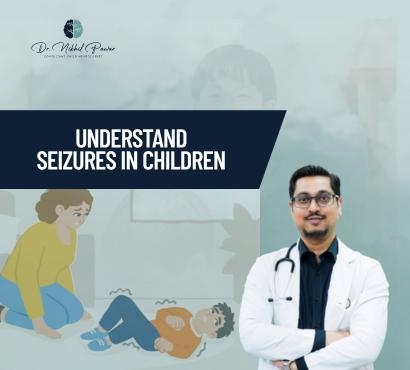
Experiencing seizures can be a daunting situation, especially when it involves children. As a parent or caregiver, it is crucial to be well-informed about what to do during a seizure to ensure the safety and well-being of the child. Seizures typically occur suddenly, and their duration and severity can vary. Whether it happens once or repeatedly, a single seizure or recurrent episodes may lead to epilepsy or a seizure disorder. What to Do if My Child is Having a Seizure: Witnessing your child having a seizure can be alarming, but staying calm is essential. During a seizure, it’s crucial to follow these steps: Ensure Safety: Move any nearby objects that could cause harm during the Seizure. Time the Seizure: Note the start time of the Seizure to determine its duration, as seizures lasting longer than five minutes may require emergency medical attention. Protect the Head: Gently place your child on the floor, turning them onto their side to prevent choking. Place a soft object or your hands under their head for protection. Clear the Area: Create a safe space by removing sharp or dangerous objects to prevent injury. Do Not Restrain: Avoid holding down or restraining your child’s movements. Allow the seizure to run its course. Stay Calm and Reassure: Speak calmly and reassuringly to your child. They may be confused or frightened after the Seizure, so offer comfort. Seizure First Aid for Children (Do’s and Don’ts): Do’s: Don’ts: After the Seizure has Stopped – Postictal Recovery: The postictal period is the time immediately following a seizure. It’s essential to provide appropriate care during this phase: Frequently Asked Questions (FAQ): Seizures can have various causes, and while some may be preventable, others may not. Consult a healthcare professional to identify potential triggers and develop a management plan. 2. How do I explain seizures to my child’s friends and teachers? Open communication is key. Provide basic information about seizures, what to expect, and how they can support your child during an episode. 3. Are all seizures the same? No, seizures can manifest differently. They may involve different parts of the brain, resulting in various symptoms. Seek guidance from a neurologist to understand your child’s specific condition. 4. Should my child be on medication for seizures? Depending on the underlying cause and the severity of the seizures, a pediatric neurologist can evaluate your child’s condition and recommend an appropriate treatment plan. 5. Should my child be restricted in sports? It’s natural for parents to wonder about the safety of their child participating in sports and physical activities. In many instances, children with well-controlled seizures can engage in sports. However, it is crucial to have a discussion with your child’s healthcare team to ensure that necessary precautions are taken (especially for swimming and horse riding) In conclusion, being well-versed in seizure first aid for children is imperative for parents and caregivers. By following the correct procedures during a seizure, providing adequate postictal care, and seeking professional advice, you can actively contribute to your child’s health and well-being. If you are searching for the best pediatric neurologist in India, consider consulting with specialists like Dr. Nikhil Pawar, a renowned seizure specialist in the country. Always consult with healthcare professionals for personalized advice and assistance tailored to your child’s unique needs.  

Scroll to Top